Periodontitis: Controlling Gum Disease

Gum disease is a common problem but if it is not picked up until a late stage it can become a serious concern.
Hopefully, most cases will be caught early with the tell-tale signs of bleeding gums being easy to spot. Regular visits to the dentist are also essential as a trained professional will easily spot early signs of gum disease.
By careful brushing and the support of a dental hygienist it is usually possible to stem the progress of gum disease.
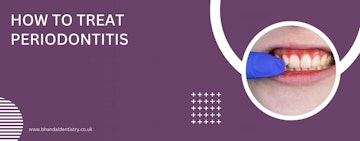
How to treat periodontitis
However, should you develop periodontitis there are a number of ways to treat the condition.
Specialist teeth-cleaning advice would be the first step to stop the problem developing further. This will need the commitment of the patient to make thorough cleaning part of their daily routine, including flossing and using interdental brushes.
Dentists may also use scaling to remove bacteria from the teeth, or a practice known as root planing where the surfaces of the tooth’s root are smoothed to deter bacteria that may stop the gums healing.
In advanced cases periodontal surgery may be necessary where the gum is moved away under anaesthetic allowing areas that are normally out of reach to be cleaned. It may also be the case that antibiotics are prescribed to help fight an infection.
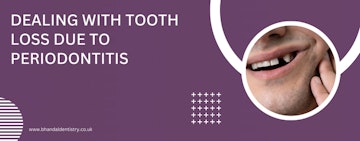
Dealing with tooth loss due to periodontitis
These measures all aim to protect the teeth, which can become loose if the bone becomes affected. In the worst case scenarios patients can lose teeth due to periodontitis.
When the teeth are at risk, however, options remain to protect the smile. Specialists can work to restore the gums and bones through grafts, while implants and bridges may be needed to replace teeth lost to advanced gum disease.
As with all dental ailments though prevention is better than cure – concentrate on good daily hygiene and maintaining regular dental check-ups to make sure any problems are spotted at the earliest stage.
Smokers are particularly at risk of developing periodontitis, so if you do smoke quitting would certainly benefit your dental health.
If you have any concerns about gum disease contact Bhandal Dental Practice.
Call us now to make an appointment

Keep reading...
How A Smile Makeover Can Increase Your Confidence
When patients want to achieve a dramatic transformation, we often recommend a smile makeover. This bespoke treatment plan can mean…

What is SmileFast?
SmileFast is a new dental treatment plan that allows you to achieve a dramatic smile transformation in as little time…

Anti-wrinkle injections - All you need FAQ's
The most common cosmetic treatment in the world now is anti-wrinkle injections. It's a simple and effective technique that involves…

What are Veneers?
Veneers are thin coats fitting over the teeth, protecting them from damage and creating a lovely smile. The tooth-coloured shells…


Hear from our
happy patients
These are just some of the kind words about our practice, direct from our incredible patients.